

How to choose blender can feel overwhelming with endless models and specs, but here’s the truth: most home cooks only need the smallest, least-expensive blender that actually matches their real blending tasks. Make the right choice and you save money, counter space, and avoid buyer’s regret—no matter if you make daily smoothies, hot soups, nut butters, or quick on-the-go shakes.
Key Takeaways
- Focus on your primary kitchen use—this determines the minimum blender specs you really need.
- Underpowered personal blenders and full-size models below 500W both struggle with tough jobs; watch for overlooked cues like variable speeds, blade material, and tamper.
- Always match wattage, controls, and jar capacity to your real needs—skip paying more for features or size you’ll never use.
- How to choose a blender — a quick decision framework
- Step-by-step: choosing the right blender for your use case
- Advanced analysis & common pitfalls
- Conclusion
- FAQs about choosing a blender
How to choose a blender — a quick decision framework
Not every “top-rated” blender is right for you. The fastest way to buy smart? Decide what you blend most often, then map that to the specs that actually matter. This low-stress decision sequence works:
- Define your primary use: Single-serve fruit smoothies, heavy blends (like nut butters), or hot soups?
- Match blending power: For smoothies with ice or frozen fruit, experts recommend 1,000 to 1,500 watts. For hot soups, nut butters, or raw vegetables, you’ll want 1,400 to 2,400 watts [source].
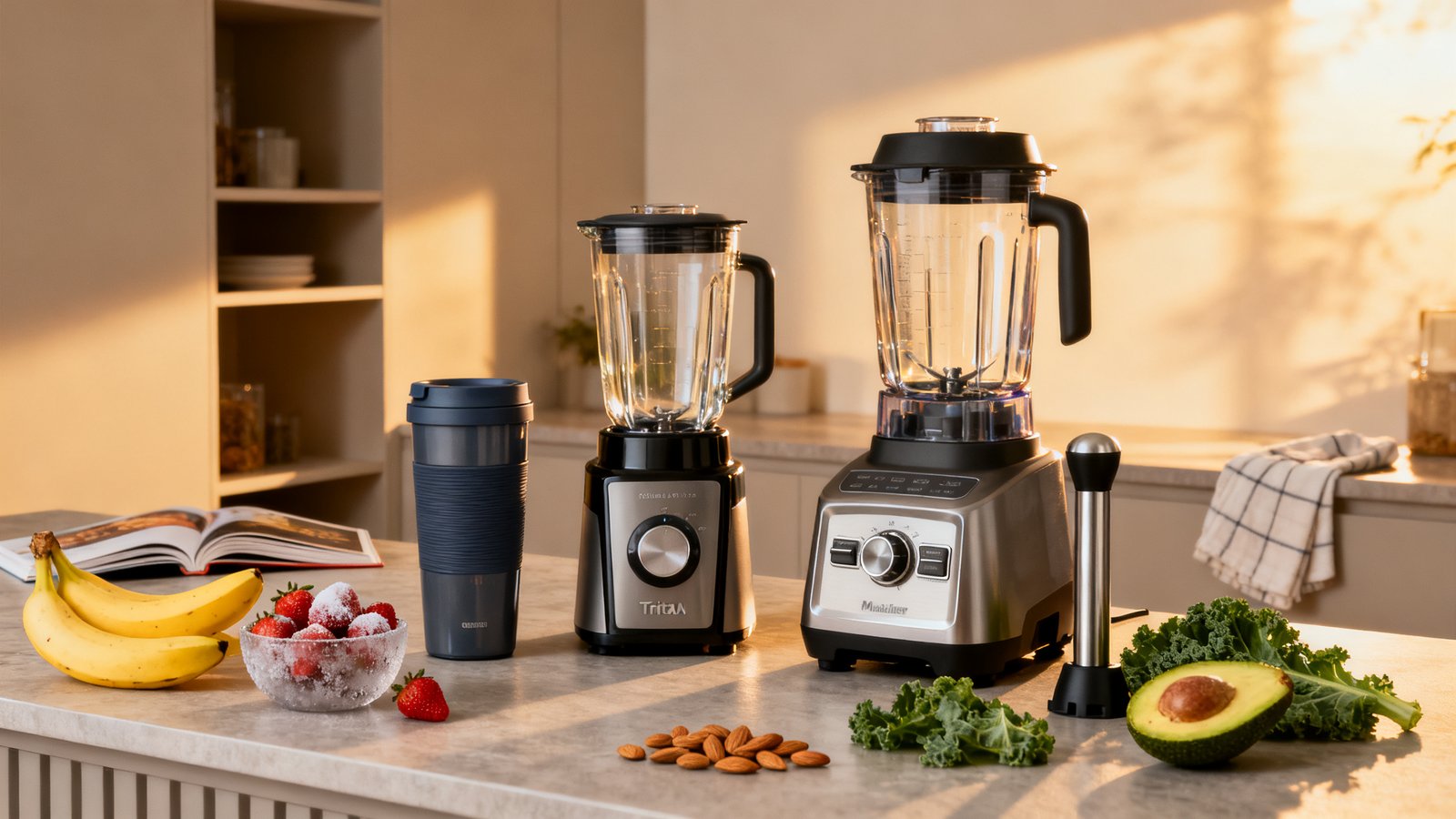
- Pick capacity: Singles and commuters often need less than 20 oz. Families or batch cooks should look for pitchers 40 oz or larger.
- Controls & accessories: Go for at least 5 speeds plus pulse. If you blend thick foods, a tamper is a top priority. Always choose stainless-steel blades and Tritan/BPA-free or tough glass jars.
- Tradeoffs: Higher power usually means a bigger footprint and more noise. Stay as compact and affordable as possible for your real needs. Don’t overspend for countertop “muscle” you’ll never use.
Want to compare blender types, too? Dive deeper with our Consumer Reports buying guide or see a breakdown of the most common mistakes below.
Step-by-step: choosing the right blender for your use case
Here’s your simple, repeatable plan to get the right blender—without wasting time on confusing features or brand hype.
- Name your priority blend: Are you mostly making single smoothies, prepping soups, or chasing silky nut butters?
- Single smoothies only: 200–900W may work for soft fruits, but 1,000+W handles ice and greens much more reliably [BA Review].
- Soups, sauces, raw vegetables: Minimum 1,400W or you’ll get hot chunks and unpredictable results.
- Choose the ideal blender type:
- Personal blender vs full-size? Personal blenders (usually 200–900W) are lighter, easier to clean, and perfect for on-the-go, but many can’t handle hard vegetables, ice, or hot liquids well. Full-size blenders offer more power and capacity but eat up counter space and cost more. (Wirecutter’s detailed explainer)
- Target wattage and speeds:
- Stay above 1,000W for ice, greens, or thick nut butters. Under 500W—even on a full-size—acts like a glorified personal blender and struggles with demanding jobs.
- Look for at least 5 variable speeds and a pulse function. One or two speeds isn’t enough for control or texture.
- Check blade and jar material:
- Stainless steel blades are non-negotiable for durability and ice crushing—plastic dulls fast [see research].
- For the pitcher: Tritan/BPA-free plastic is most impact resistant. Glass is easy to clean but heavy and prone to cracks.
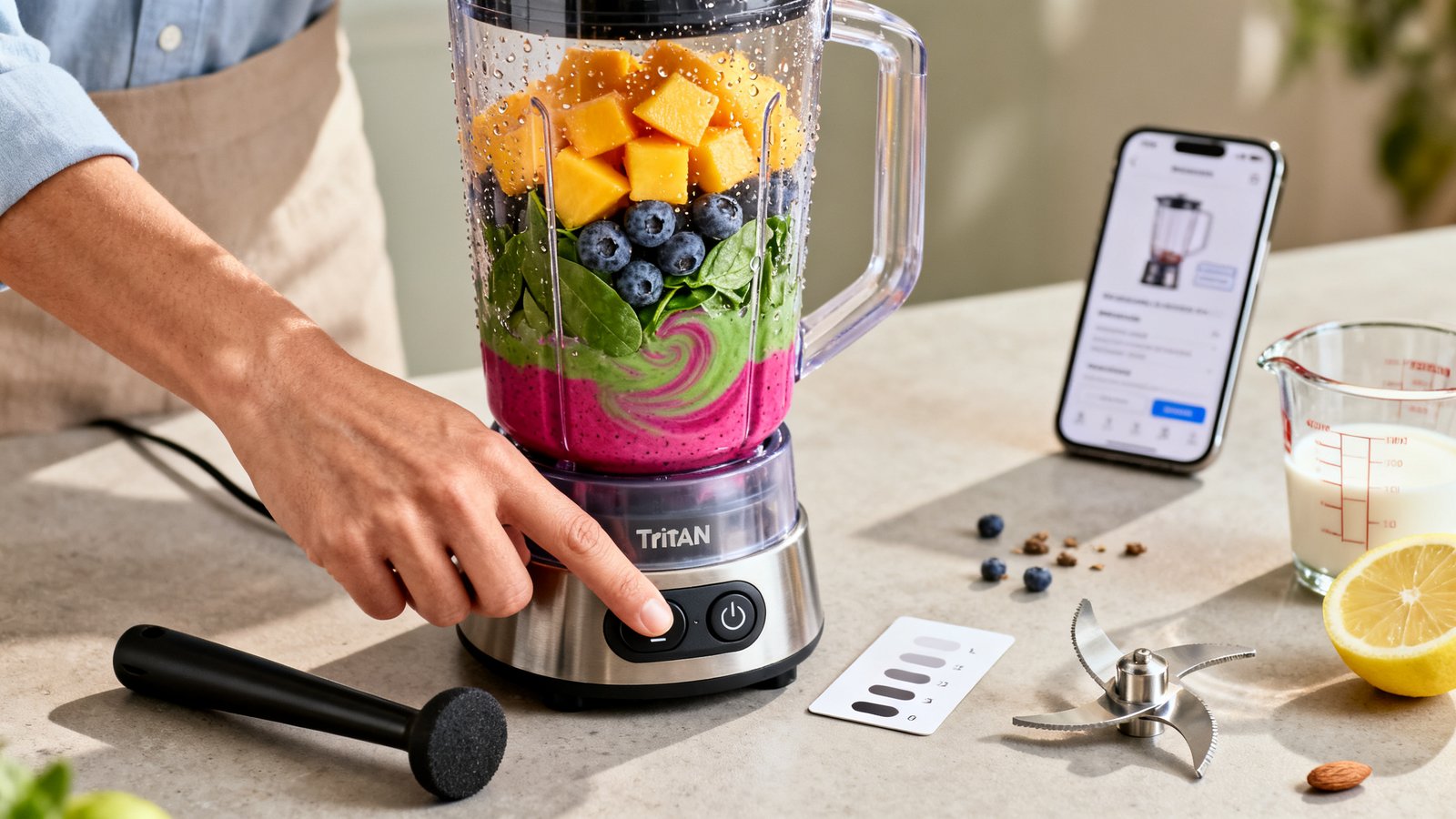
- Make sure a tamper is included: Especially crucial for nut butters, thick smoothies, or frozen drinks. Many entry-level blenders skip this, but it’s essential for motor health.
- Ease of cleaning: Wide jars and removable blades make cleaning easier. Dishwasher-safe parts save hassle.
- Consider noise and size: High-wattage blenders are powerful, but often louder. Store away if kitchen space is tight.
- Read the warranty: Aim for a motor warranty of at least 3 years. Premium brands offer 7–10 years; cheap models may only guarantee the motor for one.
- Set a max budget: Only move up a price tier if your use case demands more wattage, controls, or special features.
For more budget-friendly options, see our newly updated best blenders under 100 feature, or for savvy buying on every appliance, review our air fryer buying guide. And if you’re wrestling with limited counter space, our organize small kitchen budget tips can help clear clutter before you add a new blender.
Advanced analysis & common pitfalls
Even experienced buyers make the same five mistakes. Here’s what causes regret—and how you can avoid wasting money:
| Blender Type | Power (Watts) | Capacity (oz) | Strengths | Weaknesses | Ideal User |
|---|---|---|---|---|---|
| Personal Blender | 200–900 | 10–32 | Compact, easy to clean, quick single servings, portable | Struggles with ice, dense greens, hot liquids; stalling; noisy; narrow jars hard to clean; limited speeds | On-the-go, small smoothies, travel, post-workout shakes |
| Full-Size Blender <500W | 350–500 | 32–72 | Large capacity, fits family needs | Struggles with tough blends—acts like a weak personal blender! Bulky, noisy, still can’t handle soup or nut butter | Families (if only making soft fruit smoothies) |
| Full-Size Blender 1,000–2,400W | 1,000–2,400 | 32–72+ | Handles all tasks: ice, nut butters, soups; wide speed range; tamper included | Noisy, heavy, higher price | Serious smoothie lovers, daily soup makers, families |
- Not checking for power: Many personal blenders (200–400W) promise smoothies but fail with frozen fruit, ice, or kale—leaving chunks or burning out. Even full-size blenders under 500W are “glorified personal blenders” and stall under load.
- Ignoring number of speeds: Lack of at least 5 speeds and pulse makes it impossible to blend nut butter or control texture. At least five speeds + a pulse function is research-backed as a need, not a luxury.
- Choosing plastic blades or glass jars: Plastic blades dull fast, especially on ice. Glass jars are elegant but prone to cracking if dropped or exposed quickly to heat or cold. Tritan/BPA-free plastic is most durable (see spec tips).
- No tamper included: Essential for thick blends; many lower-end blenders skip this part, which means stalling, repeated stops, or burned-out motors.
- Missing warranty details: Long motor warranties signal confidence from the manufacturer. Vitamix offers seven to ten years; bargain units often cover motors for just one year—often the first part to fail (see real-world reviews).
- Not factoring in cleaning or noise: Narrow bottles and integrated blades are hard to scrub, especially for nut butters. High-wattage blenders are always louder; if you prepare early morning blends, keep noise in mind.
For more tips on choosing the best kitchen upgrades, explore our best air fryers 2026 guide or get in-depth organization help from our best spice rack organizers resource.
Conclusion
The right blender isn’t the biggest or most expensive—it’s the one with just enough power, speed, and durability to handle your daily tasks, with nothing wasted on fancy features. Follow the steps above, avoid overlooked mistakes, and you’ll pick a blender that lasts for years—no more, no less. If you still have questions about how to choose blender, scan our checklist, revisit the common pitfalls, and make your decision with confidence.
Ready to blend smarter, not bigger? Use the recommendations above next time you shop—or share this guide with a friend who’s tired of lumpy “smoothies.”
FAQs about choosing a blender
What watt blender do I need for smoothies and soups?
For smoothies with ice or frozen fruit, look for 1,000–1,500W. For hot soups, raw vegetables, or nut butters, 1,400–2,400W ensures consistent, smooth blends. Going lower means you risk stalling, burnt motors, or chunky results.
Personal blender vs full size: which is better for daily use?
Personal blenders are ideal for single servings and quick clean-up, but struggle with tough jobs and can’t blend hot liquids. Full-size blenders take more space but are better for families, hot soups, and thicker blends. Pick based on frequency and the ingredients you blend most.
What is the best blender jar material?
Tritan/BPA-free plastic is highly durable, light, and shatter-resistant. Glass jars look elegant and are easy to clean but can crack if dropped. Metal jars exist, but most cross-compatibility/cleaning issues make plastic the main choice for everyday use.
How many speeds does a blender need?
Research shows at least five variable speeds plus a pulse function is ideal for controlling blend texture—especially for nut butters, green smoothies, or soups.
Do I really need a tamper tool?
If you ever make thick smoothies, nut butters, or frozen drinks, a tamper is “essential” for moving food down to the blades and reducing strain on the motor. Always check if a tamper is included—many entry-level models skip it, resulting in more frustration.